



Our most asked questions about the 4 C's
-
It's hard to say definitively which 4C is more important than others because certain people value certain diamond characteristics over others.
However, if you were to ask which of the 4Cs has the great IMPACT on the overall diamond quality, it would have to be diamond cut. Cut is directly responsible for a diamond's overall brilliance. An ideal cut diamond with lower color and clarity grades with outshine poorer cut diamonds with higher color and clarity.
We only use very good and excellent/ideal cut diamonds at Iris + Mill.
-
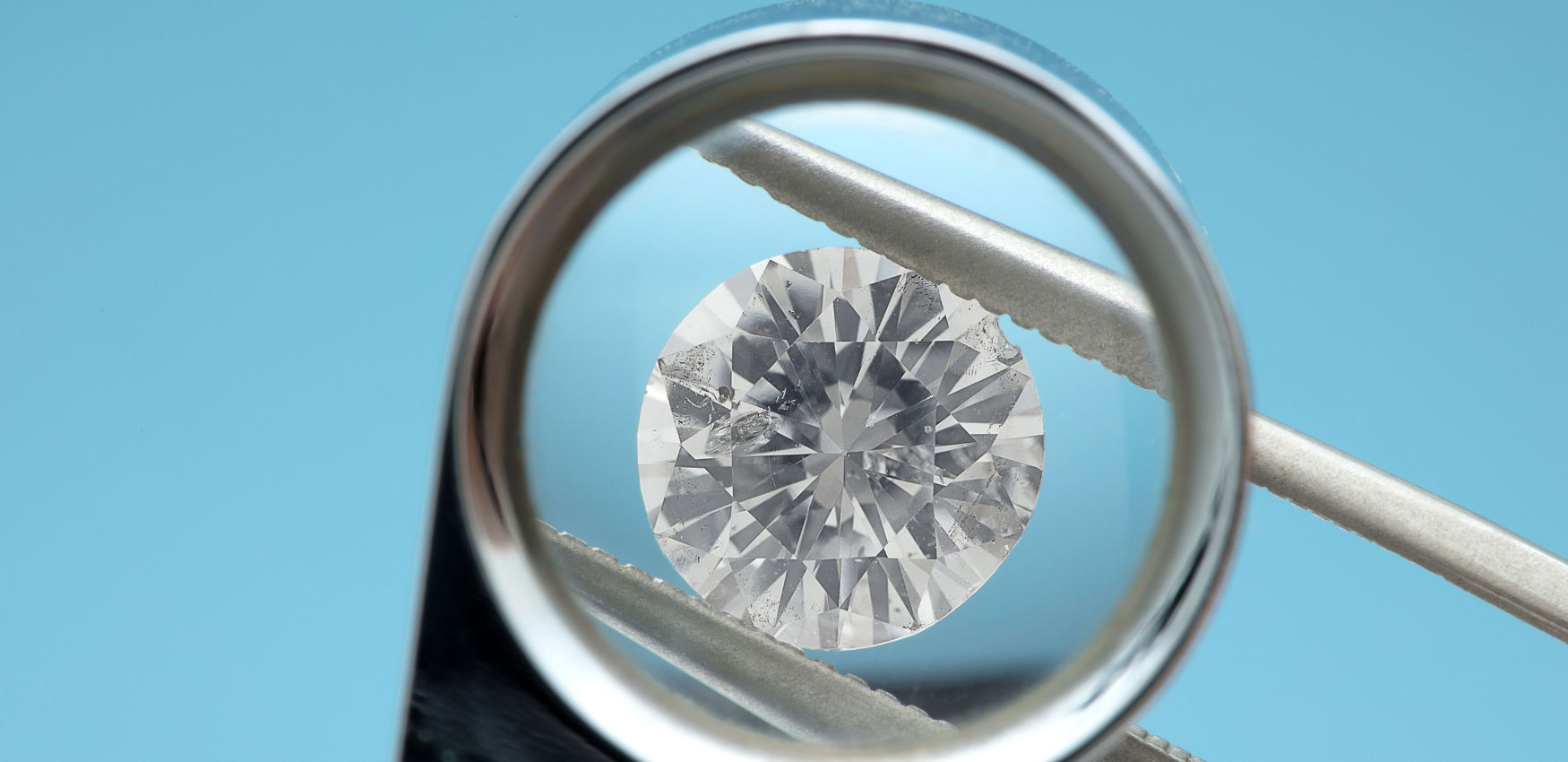
In terms of the impact on the overall quality and appearance of a diamond, clarity can be called the "least important" of the diamond 4Cs. Most of the imperfections that clarity grades reflect are very difficult to see with the naked eye. Prioritize color and cut over clarity when choosing a diamond.
-
Although each of the 4Cs contributes to the overall value of a diamond, the diamond characteristic that has the single greatest impact on price is probably carat weight. The larger (or technically heavier) the diamond, the greater the rarity, demand, and therefore price. Diamonds can be cut and treated, but we jewelers can't make them bigger!